
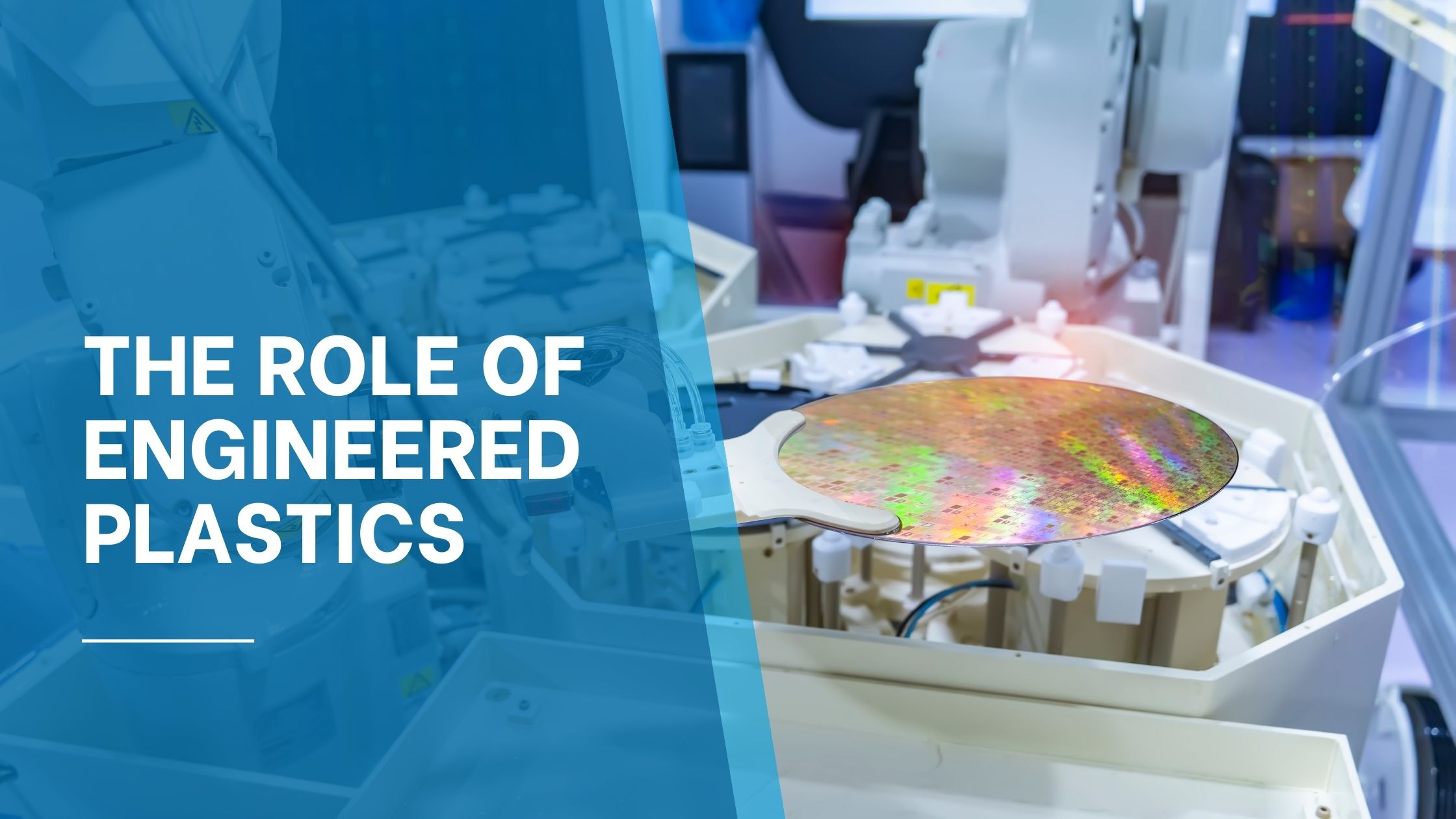
Semiconductor manufacturing demands unparalleled precision, cleanliness, and durability. As the industry moves toward smaller nodes and higher performance chips, every component within the fabrication process must meet stringent requirements. Engineered plastics have emerged as a vital solution, addressing challenges that traditional materials like metals and ceramics cannot.
The Challenge: Contamination and Durability
In semiconductor fabs, contamination is the enemy. Even the smallest particle can compromise a wafer, leading to costly defects and reduced yields. Components used in wafer handling, chemical processing, and cleanroom environments must resist wear, corrosion, and outgassing while maintaining dimensional stability under extreme conditions.
A leading semiconductor manufacturer approached us with a specific issue: metal components in their wet etching process were corroding under exposure to harsh chemicals, leading to frequent replacements and process downtime. Additionally, the metallic parts risked particulate contamination due to corrosion byproducts.
The Solution: Switching to Engineered Plastics
After assessing the application requirements, we proposed replacing the metal components with machined parts made from polyphenylene sulfide (PPS) and polyetheretherketone (PEEK). These high-performance plastics offered:
- Chemical Resistance: PPS and PEEK are impervious to most acids and solvents used in etching and cleaning processes.
- Dimensional Stability: Both materials maintain their properties under high temperatures, ensuring consistent performance in thermal cycling.
- Low Contamination Risk: Unlike metals, these plastics do not corrode or produce particulate byproducts.
- Lightweight Design: The reduced weight of plastics compared to metals improved equipment ergonomics and reduced operational strain.
- Part Qualification: LVP had the capability to meet the strict design tolerances required and has the resources in the Quality department to ensure the parts finished to the expectations of the metals they were replacing.
Results and ROI
The transition to engineered plastics yielded immediate benefits:
- Reduced Downtime: With corrosion no longer a concern, the manufacturer reported a 50% reduction in maintenance interruptions.
- Cost Savings: Though the upfront cost of the plastic components was higher than their metal counterparts, their longevity and reduced failure rate led to a 30% decrease in overall component costs over 12 months.
- Improved Yield: By eliminating a key source of contamination, wafer yield increased by 15%, significantly boosting the company’s bottom line.
The Broader Impact:
This case underscores the critical role of engineered plastics in advancing semiconductor manufacturing and finding the right supplier partners to meet the requirements. From wafer carriers to chemical tanks and beyond, the versatility of plastics enables innovation while addressing the industry’s most pressing challenges. As the demand for higher-performance chips continues to grow, engineered plastics will remain at the forefront, helping manufacturers achieve new levels of precision and reliability.
Let’s Collaborate!
At Lehigh Valley Plastics, we specialize in machining and fabricating engineered plastic components tailored to the most demanding applications. Whether you’re in semiconductor manufacturing or another precision industry, our team is ready to help you overcome your toughest challenges.
Want to save this for later?
Download a PDF version of this article to read offline or share with colleagues.
Download PDF